
Homebuyers today are thinking beyond location and layout; they’re considering how their home affects both their lifestyle and the planet. Eco-friendly homes have become increasingly popular for buyers seeking comfort, efficiency, and environmental consciousness in one package. These homes are built or renovated to reduce energy use, conserve water, and promote healthier indoor environments. From solar power and recycled materials to advanced insulation and smart technology, green living represents both an ethical and economical decision. For those interested in minimizing their footprint while maximizing long-term value, understanding what qualifies as eco-friendly and the benefits of owning one can make all the difference.
What Does It Mean for a Home to Be Eco-Friendly?
An eco-friendly home reduces its environmental impact by using sustainable materials, such as reclaimed wood, bamboo, or recycled steel, and low-VOC paints. It also features energy-efficient insulation, windows, and appliances that conserve electricity.
These homes use renewable energy like solar or geothermal power to limit fossil fuel use. Smart thermostats, motion sensors, and automated systems can regulate lighting and temperature to avoid unnecessary consumption. Water conservation features are another important aspect, including low-flow plumbing fixtures, rainwater collection systems, and drought-resistant landscaping.
Eco-friendly doesn’t always mean newly built. Many existing homes can be upgraded with sustainable features like LED lighting, tankless water heaters, or solar panels. The result is a home that not only saves money over time but also provides a cleaner, healthier living environment. When evaluating eco-friendly homes, buyers should look for recognized certifications such as LEED, ENERGY STAR, or Green Built, which verify a property’s commitment to sustainable standards. Ultimately, an eco-friendly home represents a thoughtful approach to modern living—one that strikes a balance between comfort and conservation.
When evaluating eco-friendly homes, buyers should look for recognized certifications that verify the sustainable design and energy efficiency of the home. Two of the most respected are LEED, which stands for Leadership in Energy and Environmental Design and is administered by the U.S. Green Building Council, and ENERGY STAR, a government-backed program that rates appliances, windows, and entire homes for energy performance. Some regions also have local certification programs, such as Green Built Homes, which assess properties based on renewable materials, air quality, and energy use. These certifications give buyers confidence that the home meets established environmental standards rather than relying on vague marketing terms. Ultimately, an eco-friendly home represents a thoughtful approach to modern living—one that balances comfort, health, and conservation.
Why Are Eco-Friendly Homes Growing in Popularity?
Eco-friendly homes are gaining popularity because they align with shifting consumer values and increasing awareness of environmental issues. Many buyers are drawn to these homes because they offer long-term cost savings, improved comfort, and the satisfaction of contributing to a healthier planet. As energy prices rise and climate concerns intensify, sustainable living has evolved from a niche interest to a mainstream lifestyle choice.
Technological innovation has also made green living more accessible. Solar panels, for instance, are now more affordable and efficient than ever. Home automation systems enable homeowners to remotely control their energy use, thereby reducing waste and expenses. Governments and utility companies are offering tax credits and rebates that encourage sustainable upgrades, making eco-friendly features even more appealing to buyers.
Beyond financial savings, eco-friendly homes support well-being. Better air quality, natural lighting, and the use of toxin-free materials create healthier environments in which to live and raise families. Communities are increasingly emphasizing green design, with entire developments built around walkability, shared green spaces, and renewable energy grids. This combination of personal benefit and global responsibility has made sustainability an integral part of real estate trends. For many buyers, purchasing an eco-friendly home is no longer just a matter of preference; it’s a reflection of their lifestyle values and future priorities.
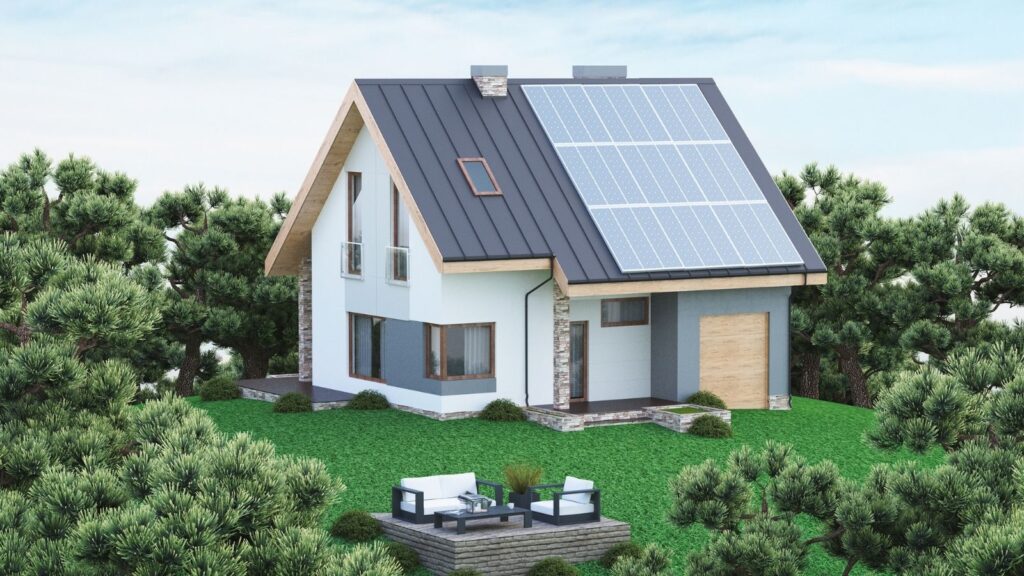
Homes with Solar
What Features Should Buyers Look for in an Eco-Friendly Home?
When purchasing an eco-friendly home, it’s essential to understand which features truly make a significant impact. Start with energy efficiency—homes equipped with solar panels, Energy Star-rated appliances, and double- or triple-pane windows can dramatically lower electricity use. Superior insulation materials, such as spray foam or cellulose, help maintain a comfortable temperature year-round without overworking the HVAC system.
Water conservation is another important component. Look for low-flow faucets, dual-flush toilets, and irrigation systems designed to minimize water waste. Drought-tolerant or native landscaping reduces maintenance needs while preserving local ecosystems and supporting biodiversity. Inside the home, materials matter: bamboo flooring, recycled countertops, and reclaimed wood add aesthetic value while supporting sustainability.
Smart home technology has become a staple of eco-friendly living. Devices that monitor energy consumption, automate lighting, and adjust temperatures in real-time give homeowners control and insight into their environmental impact. Additionally, consider air quality and ventilation systems designed to filter pollutants and maintain a balanced humidity level.
Finally, certification programs like LEED or GreenPoint Rated indicate that a home meets specific standards for design and performance. Buyers who focus on these elements can feel confident that their investment supports both a sustainable lifestyle and long-term energy savings. Every feature, from efficient windows to solar-ready roofs, contributes to a more responsible way of living.
How Do Eco-Friendly Homes Impact Utility Costs?
One of the biggest advantages of eco-friendly homes is their ability to reduce long-term utility expenses. Although the upfront cost may be higher for sustainable features, those investments quickly pay off through lower monthly bills. Energy-efficient windows, insulation, and HVAC systems reduce heating and cooling demands, maintaining consistent indoor temperatures while minimizing energy loss. Over time, this translates to substantial savings on electricity and gas.
Solar panels are a standout example of cost efficiency. Depending on the system size and local incentives, they can significantly reduce power bills or even eliminate them altogether. Some homeowners produce more energy than they consume, earning credits from their utility company through net metering programs. Smart thermostats and energy-monitoring systems take this further by automatically optimizing power use based on occupancy and weather conditions.
Water-efficient fixtures also play a major role in lowering household expenses. A combination of low-flow plumbing, water-smart landscaping, and energy-saving appliances reduces both water and sewer bills. While the financial return on green features varies by location and usage, most homeowners see significant cost reductions within a few years. For buyers focused on long-term value, eco-friendly homes provide a sustainable approach to managing costs while benefiting the planet.
Are Eco-Friendly Homes Healthier to Live In?
Eco-friendly homes often promote better health and overall well-being through improved air quality, the use of natural materials, and thoughtful design. Traditional homes can trap allergens, dust, and toxins from building materials, which negatively affect respiratory health. In contrast, sustainable homes use low- or zero-VOC paints, natural flooring, and ventilation systems that filter and circulate air more effectively.
Lighting is another factor that contributes to wellness. Eco-friendly homes typically maximize natural light with large windows, skylights, and open layouts. This reduces dependence on artificial lighting, boosts mood, and helps regulate sleep cycles. Many sustainable materials also resist mold and mildew, creating cleaner living environments.
Beyond the walls, green landscaping reduces chemical exposure by using organic fertilizers and native plants that require fewer pesticides. Rain gardens and permeable pavers help prevent runoff, promoting cleaner soil and groundwater. Together, these features foster a healthier connection between homeowners and their surroundings.
For families, retirees, or anyone prioritizing a cleaner lifestyle, an eco-friendly home provides tangible health benefits. Living sustainably means breathing more easily, sleeping better, and enjoying a space that actively supports both physical and mental wellness every day.
Do Eco-Friendly Homes Hold Their Value Over Time?
Eco-friendly homes tend to hold their value exceptionally well because sustainability is not a passing trend—it’s the direction of the housing market’s future. With rising energy costs and increasing climate awareness, more buyers are seeking homes that offer long-term efficiency and comfort. As a result, properties with solar panels, efficient insulation, and green certifications consistently attract interest and often command higher resale prices.
Buyers recognize the financial and practical value of a home that costs less to operate and maintains its durability through the use of quality materials. In many cases, the resale value of eco-friendly homes grows faster than that of comparable traditional properties because energy-saving features appeal to a broad range of buyers. Appraisers and lenders are also beginning to factor sustainability into valuations, which further reinforces market stability.
In addition, eco-friendly homes often experience fewer issues over time thanks to their superior construction and materials. Features such as metal roofing, energy-efficient windows, and sustainable siding reduce maintenance costs and extend the lifespan of the property. For homeowners thinking ahead, this combination of durability, comfort, and desirability makes green homes a wise investment for the future.
How Can You Finance an Eco-Friendly Home?
Financing an eco-friendly home can be more accessible than many buyers realize. Traditional mortgage options are available, but there are also specialized programs designed to reward sustainable living. Energy Efficient Mortgages (EEMs), for instance, allow buyers to include the cost of energy-saving improvements within their loan. These programs are supported by FHA, VA, and conventional lenders, making them widely available.
Some financial institutions also offer green loans or rebates for homes that meet certain energy-efficiency standards. Buyers purchasing homes with solar panels, geothermal systems, or high-performance insulation may qualify for tax credits or utility incentives. It’s worth discussing these programs with your lender early to ensure you take advantage of every available benefit.
Local and federal programs often provide grants or low-interest financing for retrofits and renewable energy installations. If you’re purchasing an existing home, you can also explore renovation loans that incorporate sustainability upgrades into the purchase price. With so many options, financing a green home doesn’t have to feel out of reach. The key is partnering with a lender familiar with eco-friendly incentives who can help tailor a financial plan that aligns with your goals.
What Should Buyers Know About Eco-Friendly Home Maintenance?
Owning an eco-friendly home means maintaining it in ways that preserve both performance and efficiency. The good news is that green homes are often built with durable, low-maintenance materials designed to last. Still, a few proactive steps ensure everything runs smoothly. Solar panels, for example, should be inspected periodically and cleaned to maintain optimal output. HVAC filters, smart thermostats, and energy-monitoring systems should be updated and serviced on schedule.
Homeowners with rainwater collection systems or drip irrigation setups should regularly inspect their systems for debris or leaks to maintain optimal efficiency. Inside, using non-toxic cleaning products helps sustain indoor air quality and prevents damage to eco-friendly finishes. Lighting systems, particularly LED bulbs, should be replaced when needed to maintain consistent performance.
Because green homes often feature advanced technologies, working with professionals familiar with sustainable systems can be invaluable. Annual checkups for solar systems, water heaters, and ventilation units keep everything running at peak efficiency. With minimal upkeep, eco-friendly homes continue to deliver the energy savings, comfort, and value they were designed to provide for years to come.
How Can You Find Eco-Friendly Homes in Your Area?
Finding eco-friendly homes has become increasingly easier as sustainability gains momentum in the real estate sector. Many MLS platforms and real estate websites now allow searches based on green features such as solar power, energy-efficient systems, and certification tags like LEED or ENERGY STAR. Buyers can use keywords like “green,” “eco-conscious,” or “sustainable” when browsing listings.
Working with a real estate agent experienced in eco-friendly properties is an important step. Agents familiar with sustainable construction can help identify homes that meet efficiency standards and qualify for tax incentives. They can also guide buyers through local programs that encourage the adoption of renewable energy or home efficiency improvements.
New developments across the country are also emphasizing the importance of green living. These communities may feature shared solar systems, pedestrian-friendly designs, community gardens, or electric vehicle charging stations. Buyers who value sustainability will find increasing opportunities to live in neighborhoods that reflect those values. With the right guidance and resources, finding an eco-friendly home that fits your needs and lifestyle is simpler than ever.
Are You Ready to Buy an Eco-Friendly Home?
Eco-friendly homes offer the best of modern living—comfort, efficiency, and sustainability all under one roof. They represent a thoughtful investment in both your financial future and the planet’s health. From lower monthly expenses to cleaner air and lasting value, these homes provide real, measurable benefits that extend beyond aesthetics.
If you’re ready to explore eco-friendly homes and want to work with someone who understands their value and advantages, reach out to me. I’ll help you find a home that fits your lifestyle while supporting your goal of living more sustainably. Together, we can find a place that feels good for you—and good for the planet.